
"Ethiopian coffee farming"
2000 article(s) found

Introduction to Coffee in Guixia Village
Professional coffee knowledge exchange More coffee bean information Please pay attention to coffee workshop (Weixin Official Accounts cafe_style) Front Street Coffee-Ethiopia Guixia Village, hand flushing ratio Introduction to the origin of Guixia Village Manor In 2007, documentary director Adam Overton and photographer wife Rachel Samuel were filming a documentary about Ethiopian coffee for the Ethiopian government

Ethiopian Ilubaro Farm Coffee Flavor Taste
Professional barista exchanges, please pay attention to coffee workshop (Weixin Official Accounts cafe_style ) published on May 17,2017. 001 Order ■ Country: Ethiopia ■ Estate: Barrow Farm ■ Origin: Ilugbo ■ Variety: Ethiopian Native Species ■ Treatment: Washing ■ Harvest: 201617 Cup Test Report: Ilugbo, located

Introduction to the flavor and taste characteristics of the charming Ethiopian boutique coffee bean manor.
A large amount of coffee production (95%) is done by small shareholders, with an average yield of 561 kg per hectare. For centuries, minority holders of Ethiopian coffee farms have been producing a variety of high-quality types of coffee. The secret of producing high-quality coffee is that coffee growers have developed environmental conditions through generations of repeated learning about the coffee planting process.

Ethiopian Coffee Trading system explains in detail the relationship between price and quality of Ethiopian coffee beans
For more information on coffee beans, please follow coffee workshops (Wechat official account cafe_style) according to the Ethiopian decree, there are three coffee export systems, (1) the largest privately owned processing plant system for export through competitive ECX, (2) the cooperative system, and (3) the single farm system. In these three systems, cooperatives and single manors are not thorough.

Differences in Ethiopian coffee
A large amount of coffee production (95%) is done by small shareholders, with an average yield of 561 kg per hectare. For centuries, minority holders of Ethiopian coffee farms have been producing a variety of high-quality types of coffee. The secret of producing high-quality coffee is that coffee growers have developed environmental conditions through generations of repeated learning about the coffee planting process.

A brief introduction to the flavor and taste characteristics of the Ethiopian coffee farm in the unique coffee producing area
As the hometown of coffee, thousands of years of planting history and processing tradition in Ethiopia have created high-quality washed Arabica beans. Although the Ethiopian Yirgacheffe coffee is petite, it is gentle and delicate and sweet. Light baking has unique sweet aromas of lemon, flowers and honey, soft acidity and citrus flavors, fresh and bright on the palate. No.

Ethiopian Coffee Estate Description Taste Boutique Coffee Features Introduction
Coffee farming villages produce about 35 percent of the country's coffee. These coffee farms, which use a multi-tiered coffee growing system, are carefully cared for. Coffee farmers do not use chemical fertilizers, but use fallen leaves, plant and animal debris to increase soil nutrients. In addition to coffee, farmers also frequently grow non-coffee crops. Even the national coffee total

Ethiopian Coffee | what coffee beans are used for hand-made coffee | the sun on Limtega and Tula farms
Professional coffee knowledge exchange more coffee bean information please follow the coffee workshop (Wechat official account cafe_style) Ethiopian coffee recommendation | Qianjie coffee boutique hand-brewed coffee beans-sun red cherries Sidamo Sakuran in Ethiopia will add 3 and 4 after the name to make a distinction (with 3 higher quality), coffee cherries are harvested with peel and fruit

Ethiopian Rose Summer Ethiopian Rose Summer Village Story is Ethiopia Rose Summer delicious
More information on coffee beans Please follow Coffee Workshop (Wechat official account cafe_style) the Ethiopian village of Rosa in Ethiopia, just a few kilometers from the South Sudanese border, has a farm called Bench Maji that is shaping the future of coffee by delving into its past. Gesha Village is building a new template that will

Good average quality; aromatic and full-bodied Ethiopian coffee plantation taste characteristics
Ethiopian coffee beans grow in a near-natural environment. After years of cultivation under the same growing conditions, Ethiopian coffee beans have gradually adapted to the environment here. More than 60% of coffee beans are forest or semi-forest grown coffee. Coffee farming villages produce about 35 percent of the country's coffee.

How is the planting of single bean in Ethiopian coffee farm? Ethiopian single bean won the prize.
For the exchange of professional baristas, please follow the coffee workshop (Wechat official account cafe_style) SIDAMO Hidamo and the other two regions, ─ Hara and Yegashev, were approved and registered trademarks by the Ethiopian government in 2004, making the region's reputation and local coffee beans, together to improve the recognition. Hidamo mixed use of water washing and sun treatment, in favor of fruit, strong
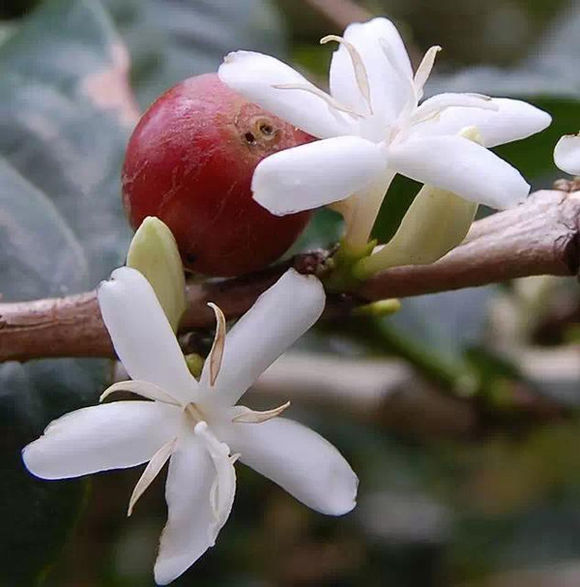
Ethiopian specialty Ethiopian coffee farm Ethiopian coffee industry and varieties
Ethiopia is one of the major producers of Arabica coffee in Africa, producing the best Arabian coffee in the world. It is said that coffee was first discovered by shepherds in Essekafa, and the name of coffee evolved from Kafa, so Essex is still the hometown of coffee. The geographical environment of coffee production and processing is very suitable for coffee growth. Coffee is mainly cultivated.

Ethiopian ancient geisha Shakisso farm coffee story introduces how to drink ancient geisha coffee
For more information about coffee beans, please follow Coffee Workshop (Wechat official account cafe_style) Shakisso Farm Shakisso Farm is located in the Guji district of southern Oromia, one of the largest regions in Ethiopia. The farm, founded by Hailaiebury, has been producing organic coffee since 2001 and has now passed the Organic Rainforest Alliance and American Fairness.

Ethiopian Solar Sidamo G1 Coffee Bean characteristics Valley Jaina Sola Dorothy hand flavor description
For the exchange of professional baristas, please follow the coffee workshop (Wechat official account cafe_style) Ethiopia Sun Sidamo G1 Valley Jaina Sola Farm single Farm Lot3 (EthiopiaSidamoGujiAnaSoraLot3NaturalG1) style

Characteristics of coffee flavor and taste in Ethiopian coffee farm, which ranks first in consumption in Africa.
In February 1977, Lieutenant Colonel Mengistu Haier Maryam (MENGISTU HAILE MARIAM) launched a military coup and served as Chairman of the interim military Administrative Council and head of State. In 1979, the Ethiopian Labor people's Party Organization Committee, dominated by soldiers, was established to implement an one-party system. In 1984, the Ethiopian Workers' Party was formed according to the Soviet Communist Party model. Mengistu, September 1987

Introduction of Ethiopian Sun Red Cherry Coffee brief introduction of Yega Red Cherry Taste
Professional coffee knowledge exchange more coffee bean information please follow the coffee workshop (Wechat official account cafe_style) Qianjie Coffee-Sun Red Cherry introduction Yegashafi is a small town in Ethiopia, 1700-2100 meters above sea level, is one of the world's highest coffee-producing areas, but also synonymous with Ethiopian boutique coffee. Lake Turkana, Lake Abaya, Lake Chamo to this

Ethiopian coffee flavor Ethiopian coffee characteristics Ethiopian coffee taste
Ethiopia has unique natural conditions suitable for growing all imaginable varieties of coffee. As a upland crop, Ethiopian coffee beans are mainly grown in areas between 1100 and 2300 meters above sea level, roughly distributed in southern Ethiopia. Deep soil, well drained soil, weakly acidic soil, laterite and soil are soft and contain

Coffee beans suitable for hand flushing what coffee beans do you use? Ethiopian coffee, Gemma organic coffee.
Professional coffee knowledge exchange more coffee bean information please follow the coffee workshop (Wechat official account cafe_style) click to see more hand-brewed coffee beans Ethiopia Jima Akmanu calendar sun (organic certification) Ethiopia Jimma Akmel Nuri natural (organic certificated) producer: Ethiopia production area of Ethiopia
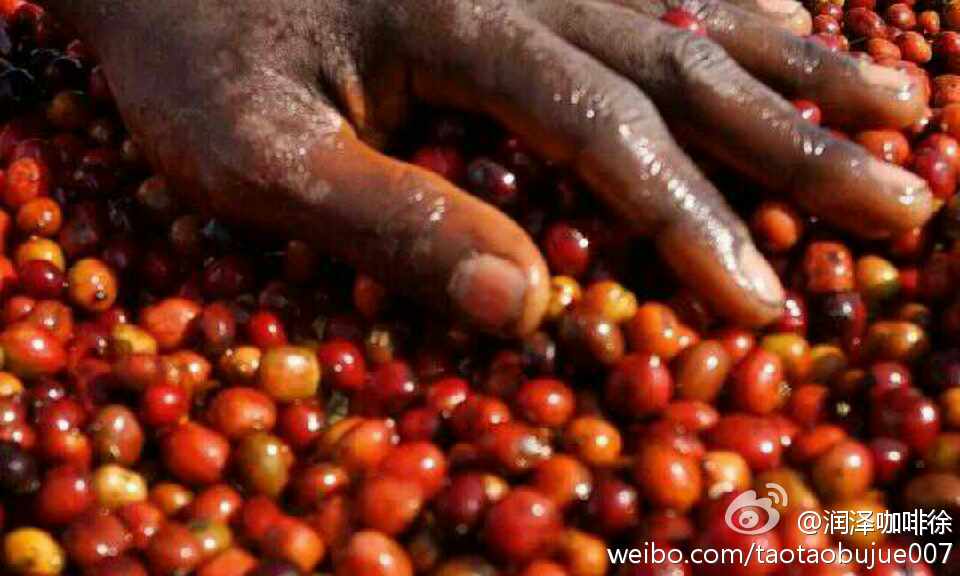
Introduction to the flavor and taste of Ethiopian coffee beans grade classification of Ethiopian Sidamo coffee beans
Ethiopia has unique natural conditions suitable for growing all imaginable varieties of coffee. As a upland crop, Ethiopian coffee beans are mainly grown in areas between 1100 and 2300 meters above sea level, roughly distributed in southern Ethiopia. Deep soil, row

Ethiopian Coffee introduction to Ethiopia's Kaiyong Mountain Coffee Farm
For more information on coffee beans, please follow the coffee workshop (Wechat official account cafe_style) Kaiyong Mountain Coffee Farm is located in the town of Tarro in Shakiso County, Shakiso County in southern Ethiopia (Oromia) in southern Ethiopia. The farm is located on Kaiyong Mountain, with an altitude of about 1900 ~ 2050 meters.